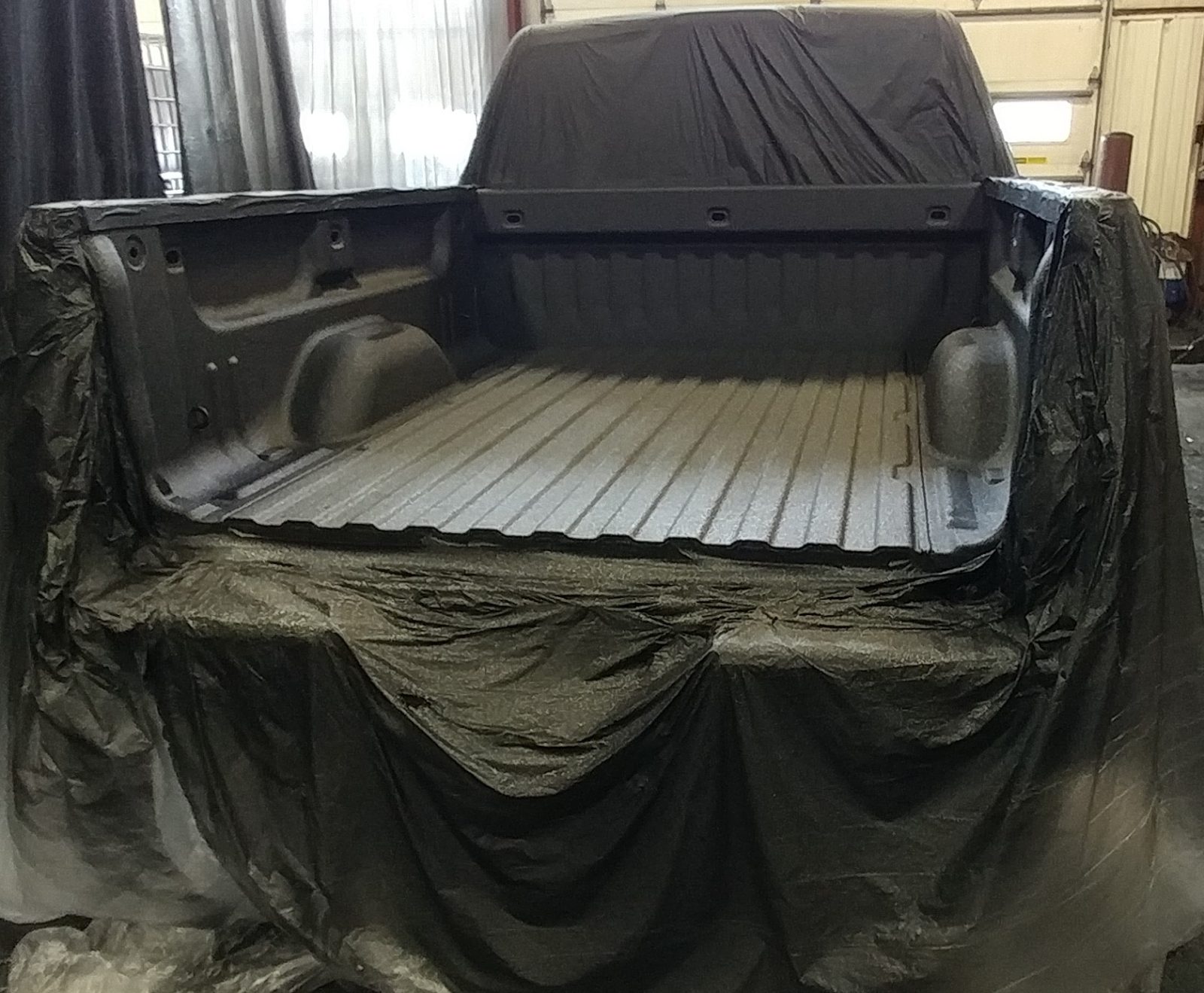
Paint vs Polyurea, in Detail
How each one stops corrosion, what each costs you in film and in years, and the two places polyurea genuinely loses.
Request the Comparison DataThey Stop Corrosion by Different Mechanisms
Rust needs three things at once: iron, oxygen, and an electrolyte. Coatings interrupt that, but not all in the same way.
Inhibitive paints contain pigments that chemically passivate the steel surface. They work even where the film is thin, which is genuinely clever — but the inhibitor is consumed over time and the effect is finite.
Sacrificial coatings — zinc-rich primers — corrode preferentially to protect the steel galvanically. Excellent while the zinc lasts, and highly dependent on prep quality and electrical continuity.
Barrier coatings simply keep water and oxygen away from the metal. This is where thickness matters, because diffusion through a film is roughly inversely proportional to its thickness. A 3-mil barrier and a 60-mil barrier are not different by degree — the transmission rates differ by an order of magnitude or more.
Polyurea is a pure barrier coating with no inhibitive or sacrificial component. It has no clever chemistry protecting the steel. It just puts a thick, continuous, well-bonded, flexible elastomer between the steel and everything that would attack it, and it does that better than a thin film can.
Head to Head
| Property | Value |
|---|---|
| Solids by volume | Paint 40–60% · Polyurea 100% |
| Shrinkage on cure | Paint significant · Polyurea none |
| Film per coat | Paint 2–3 mil · Polyurea 20–120 mil |
| Coats to reach spec | Paint 3 · Polyurea 1 |
| Inter-coat interfaces | Paint 2 · Polyurea 0 |
| Edge and weld retention | Paint thins · Polyurea uniform |
| Elongation | Paint typically <10% · Polyurea 300–400% |
| Tensile strength | Polyurea 2,500–3,000 PSI |
| Tear strength | Polyurea 400–500 pli |
| Adhesion, blasted steel | Polyurea >500 PSI pull-off |
| Time to handle | Paint hours per coat · Polyurea minutes |
| Time to full service | Paint days · Polyurea about 1 hour |
| Application | Paint brush/roll/spray · Polyurea plural-component spray only |
| Colour retention in UV | Paint good · Aromatic polyurea chalks |
| Touch-up by owner | Paint easy · Polyurea needs equipment |
| Typical service life | Paint 10–12 yr to recoat · Polyurea well beyond |
The Two Places Polyurea Loses
We would rather you hear these from us than discover them after buying.
You cannot apply it yourself. OR93BL and the Flak Jacket products gel within seconds of the two components meeting. There is no brush time, no roller time, and no way to hand-mix them at the right ratio and temperature. They require a plural-component proportioner with a heated hose — Graco Reactor E-20 or E-30 class — which is a serious capital item. For most people this means hiring an applicator, and for a small job the mobilization can exceed the material cost. Rust proof paint has no such barrier, and that is a real advantage.
Aromatic polyurea chalks in sunlight. Direct UV degrades the surface layer, producing a dull, powdery finish and colour drift over a few seasons. It is strictly cosmetic — the barrier, the tensile strength, and the adhesion are unaffected, and the steel stays protected. But if the reason you are coating something is that it should look good, quality rust paint holds its appearance better, or you add an aliphatic topcoat over the polyurea and accept the extra cost.
Everything else on the comparison favours the membrane. These two do not, and they are why paint is not going away.
Prep: The Part Both Products Share
The uncomfortable truth in every coating conversation is that preparation matters more than product selection. A premium coating over a poorly prepared surface will underperform a cheap coating over a well-prepared one. This is true of rust paint and it is equally true of polyurea.
New or heavily corroded steel: SSPC-SP6 commercial blast, 2–4 mil angular profile, coated the same shift before flash rust forms.
Maintenance work: SSPC-SP3 power-tool cleaning over sound, tightly-adhered rust, with a reduced-warranty note. Anything a putty knife can lift has to come off first — that rule applies to both product families.
Salt service: Verify soluble chlorides below 7 µg/cm². Salt under any coating will blister it osmotically. Paint blisters faster; polyurea blisters harder to repair.
Over existing paint: Polyurea can go over sound aged coatings with 7001 primer, which also blocks bleed-through. Test adhesion first — if the old system tears within itself, it all has to come off no matter what you plan to put over it.
Want the Data Sheets to Compare Yourself?
We will send the TDS and SDS for OR93BL and the Flak Jacket line so you can set them next to whatever paint spec you are considering.
Request DocumentationAsk Which One You Need
Tell us about your project and we will follow up with product details, technical data sheets, and pricing.