Applications
Job by job — which product we would actually recommend, including the ones where the answer is paint.
Structural Steel With a Long Service Life
This is the clearest case for the membrane. A structure expected to run twenty-five years under a three-coat paint system will need meaningful maintenance twice in that window, and each intervention costs access — scaffolding, lifts, containment, or a shutdown.
Every one of those visits is a cost paint incurs and polyurea does not. Over the asset's life the arithmetic is not close, even though paint wins the first purchase order comfortably.
The exception is a structure genuinely scheduled for replacement inside a decade. Then paint is right and we will say so.
Recommendation: OR93BL at 40–60 mil over SP6 blast, single pass, stripe-coat weld toes.
Truck Beds, Frames & Underbodies
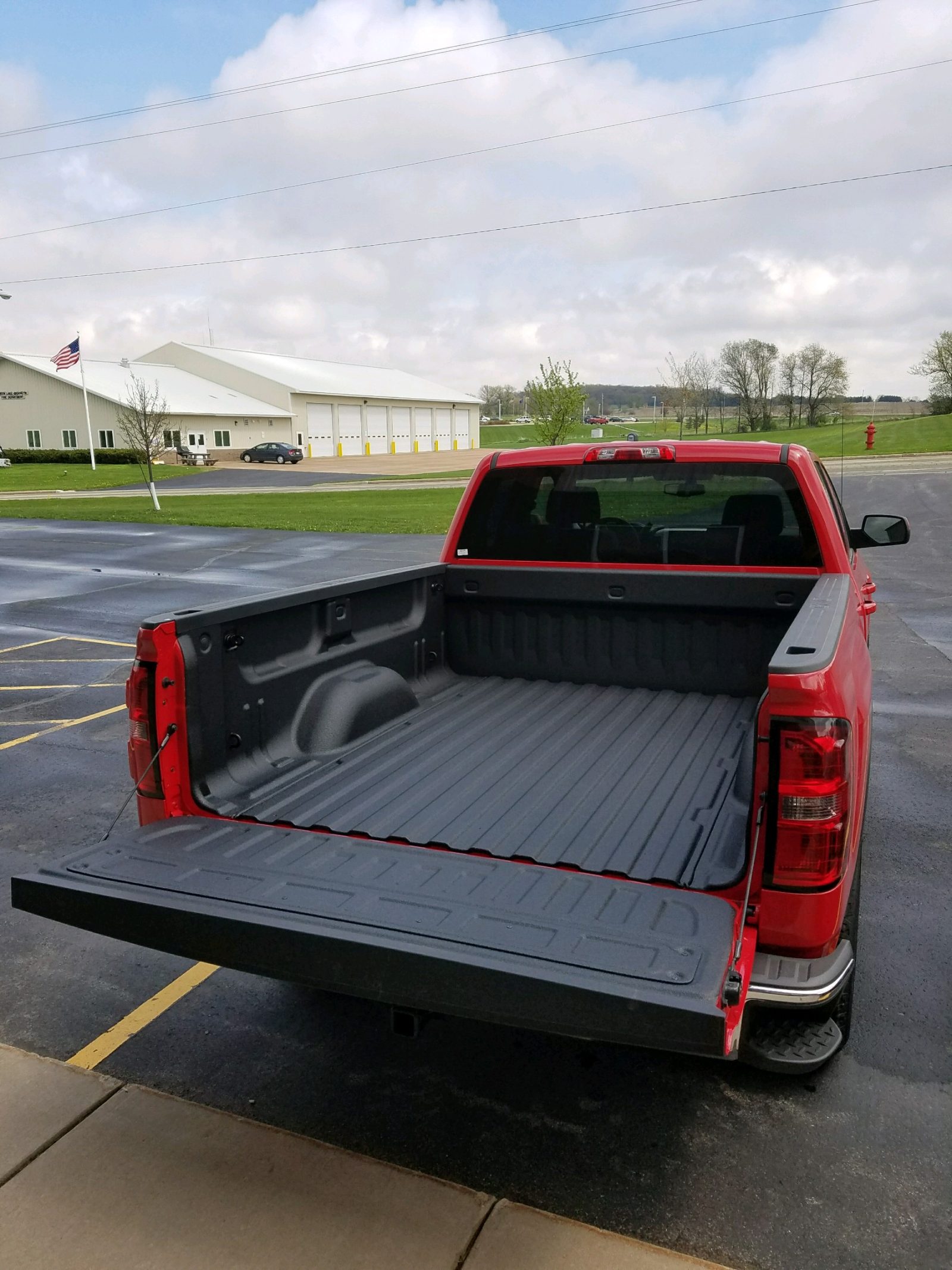
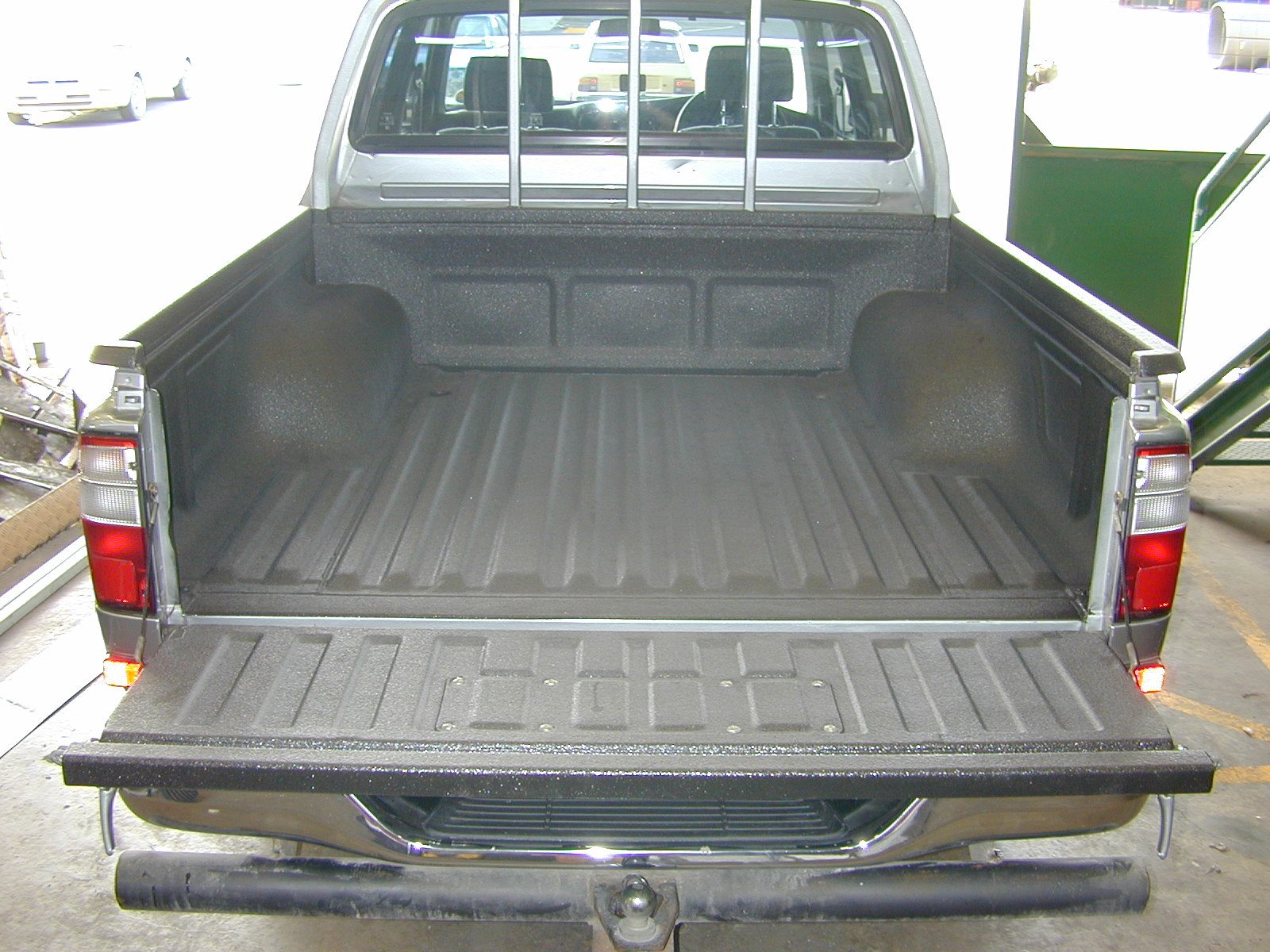
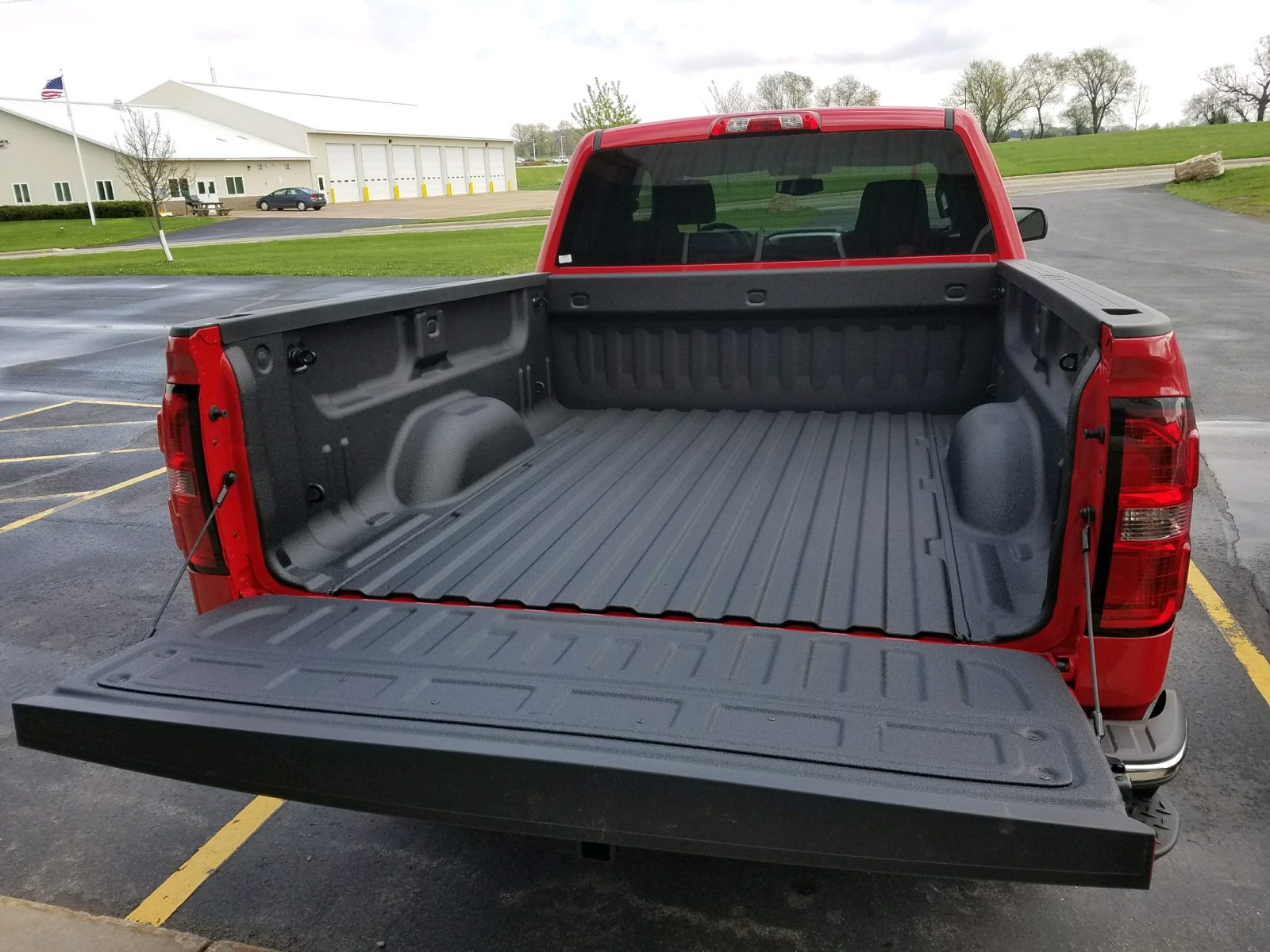
Nobody who has tried it recommends bed paint twice. Road salt, gravel impact, dragged cargo, and constant flex destroy a 3-mil film in a season, and once it breaks the salt gets underneath and works laterally.
This is also the application where the equipment barrier matters least, because sprayed bed liners are a mature service business — there is likely an applicator within driving distance already running this material.
Recommendation: FJ1 at 60–80 mil on bed floor and walls, OR93BL at 30–40 mil on frame, crossmembers, and underbody. Paint is not a serious option here.
Metal Roofs & Building Envelopes
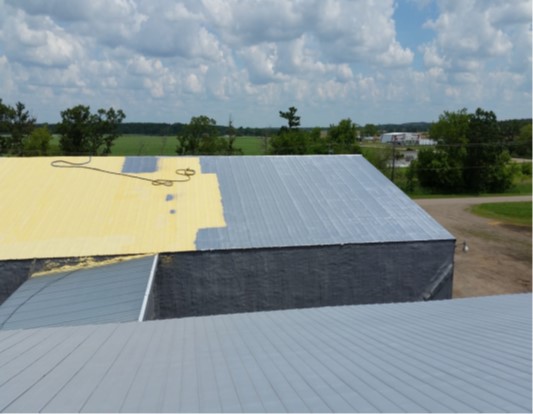
Roof coating is where the flexibility difference becomes decisive. A metal roof expands and contracts every single day, and the movement concentrates at laps and fastener penetrations — the exact places a hard paint film cracks.
Roof paint programs exist and are widely sold, but they are maintenance subscriptions: recoat on a cycle, forever. A 40 to 60 mil elastomeric membrane with 300–400% elongation absorbs the cycling instead of accumulating damage from it.
Recommendation: 7001 primer at laps, seams, and fasteners, then OR93BL at 40–60 mil. FJ1 at 60 mil where hail or foot traffic is a factor.
Wash-Down, Chemical & Abrasion Service
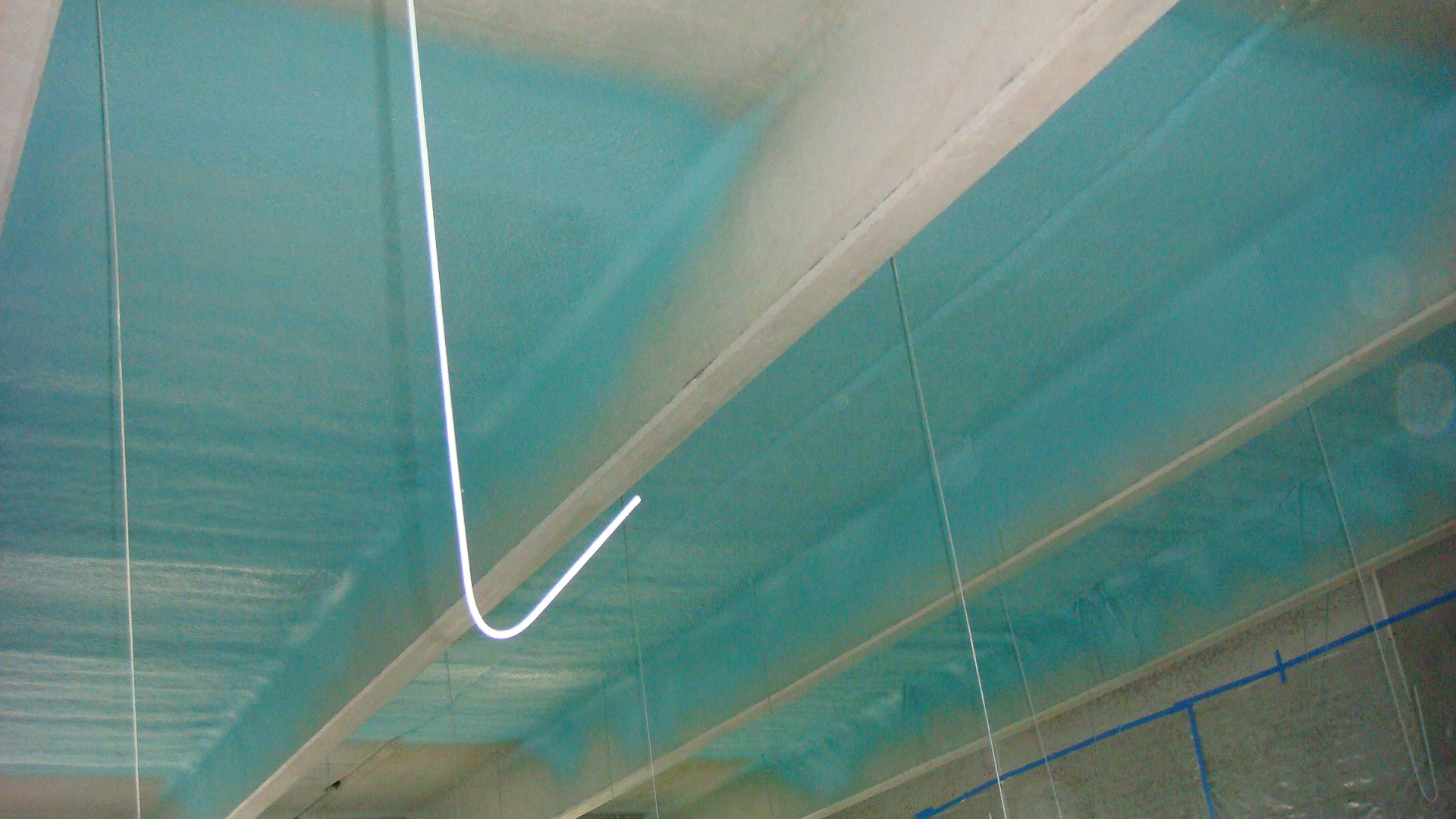
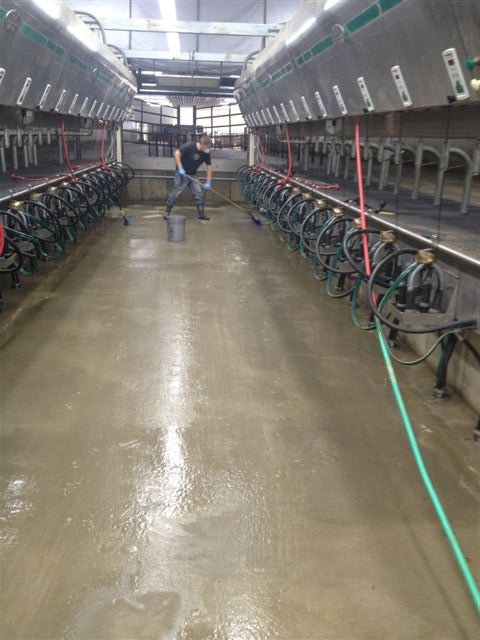
Daily caustic or acid sanitation, pressure washing, and material contact will find every weakness in a paint film — starting at the fastener annulus and the lap edge, then undercutting outward from there.
A seamless membrane has no annulus and no lap to undercut. In abrasion service, the gap widens further: Flak Jacket Pro is specified precisely because it becomes the sacrificial wear face, which is a role no paint film has the thickness to play.
Recommendation: OR93BL at 40–60 mil for wash-down structure; Flak Jacket Pro at 80–120 mil where material abrades the surface. Confirm cleaner or process chemistry with us first.
The Jobs Where We Say Buy Paint
We are not being modest for effect — these come up constantly and the answer is genuinely paint.
Touch-up and small repairs. A quart and a brush. Mobilizing a plural-component rig for a few square feet makes no sense at any price.
Decorative and interior metal. If the driver is appearance and the exposure is a conditioned building, a good DTM acrylic is the right product and it will hold its colour better than aromatic polyurea.
Short-life or temporary assets. Formwork, temporary structures, equipment slated for disposal. Buying twenty-five years of protection for a three-year asset is just an expensive way to be right.
Genuinely tight budgets on low-consequence steel. If failure means "it looks bad and we redo it," paint is a rational choice.
Other Places the Comparison Comes Up
- Trailers and flatbeds — polyurea; paint on a deck lasts one hauling season
- Farm equipment and spreaders — polyurea; fertilizer and silage acids strip paint quickly
- Tanks and secondary containment — polyurea; the barrier has to be continuous and testable
- Handrail, gates, and light fencing — paint, unless the exposure is coastal
- Marine hardware and dock steel — polyurea, with chlorides verified before anything is applied
- Shop equipment and machine bases — paint, unless there is chemical splash involved
- Classic car restoration — both, in different places: polyurea on floor pans, frames, and wheel wells; automotive finish on the body
Not Sure Which Side of the Line You Are On?
Describe the job. We will give you a straight answer, and a fair number of them are "use paint."
Ask Which One You NeedAsk Which One You Need
Tell us about your project and we will follow up with product details, technical data sheets, and pricing.